Unveiling the Invisible: The High-Stakes Game of AI Watermarking and Human Creativity
In an era where language models (LLMs) like ChatGPT and Claude have become integral in various sectors, the complexity and ethical concerns surrounding the use of AI-generated content have escalated. This article explores the core issues surrounding watermarking in AI text generation, touching on privacy concerns, the practicality of detection systems, the real implications for human authorship, and the philosophical debates on the regulation of AI content.
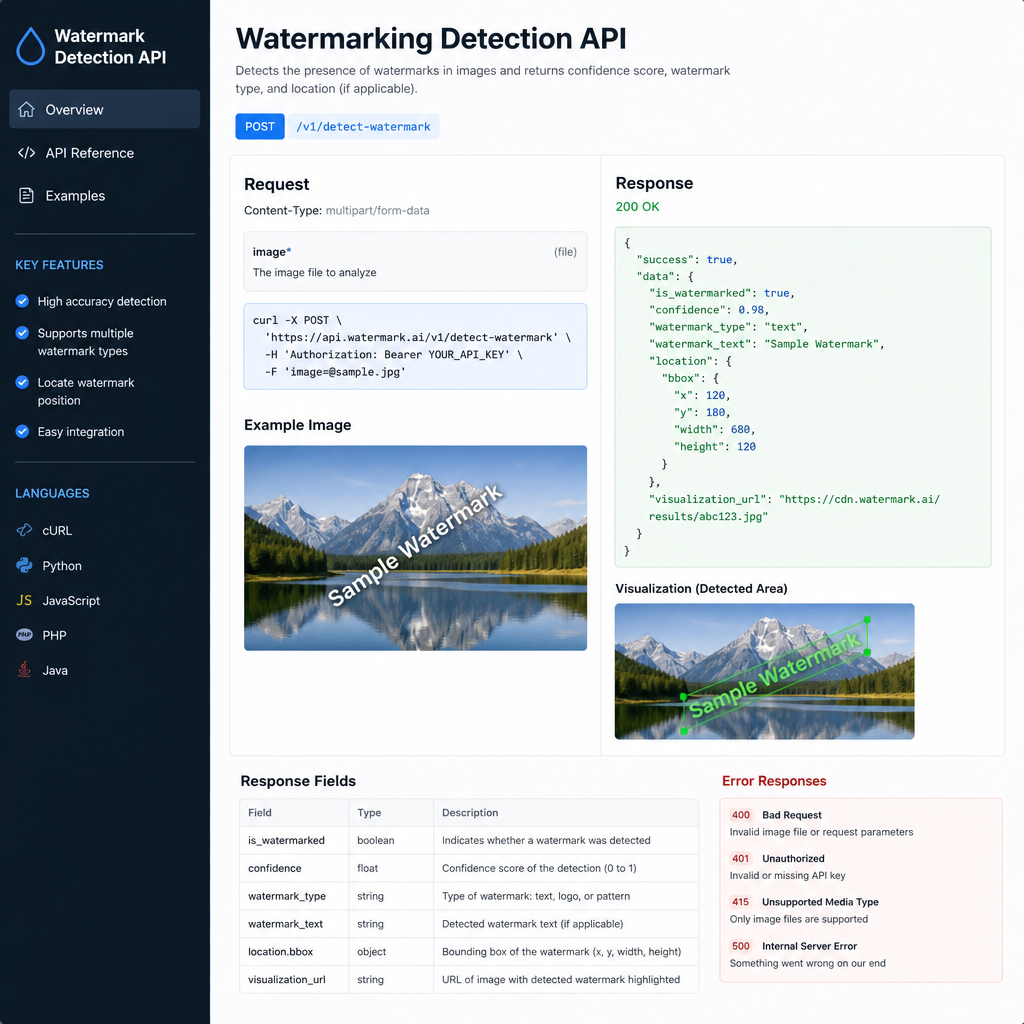
The heart of the discussion revolves around watermarking technology, which is proposed to inconspicuously embed markers into AI-generated text to trace its origin. The principal dilemma here is the requirement to send potentially sensitive and high-quality human-written content to multiple AI providers to check for these watermarks. This poses significant privacy risks because such content—encompassing unpublished research, potential court proceedings, and proprietary organizational documents—could be misused or inadvertently added to AI training datasets. As of now, the transparency concerning the use of this content by AI companies remains minimal, heightening privacy concerns among users.
Given the multifaceted nature of AI watermarking, the industry is expected to face an ongoing cat-and-mouse game between those creating watermarks and those attempting to circumvent them. Critics argue that traditional steganographic methods can be easily defeated if code is available, implying that watermarking might not offer a foolproof solution. Furthermore, if models are indeed embedding arbitrary information within the text, questions arise about how this could potentially alter text meaning, violating the integrity of the original output.
An oft-cited potential solution to these privacy concerns is the use of homomorphic encryption, which could allow for the secure verification of text authenticity without revealing the content to AI companies. However, the feasibility and practical implementation of such technologies remain under-explored in the current discourse.
Beyond privacy, there are profound implications for authorship and creativity. The value of human-created content is highlighted as unique due to the intentional, nuanced, and often emotional efforts involved. Many writers and creators express that their work, imbued with personal choice and craftsmanship, contrasts with the statistically driven outputs of LLMs. This underscores the broader societal concern with how reliance on AI may homogenize creativity and strip away the human element from the arts.
On the legal and ethical front, there’s an ongoing debate about AI’s training on publicly available yet licensed content. Many voices in this discussion argue that legal stipulations around content usage should evolve, considering that the scale of AI’s data consumption can potentially infringe on rights associated with personal or organizational data that were traditionally observed with human readers. This raises the question of whether AI models should be held to the same standards of privacy and intellectual property as humans.
The conversation also sheds light on the limitations intrinsic to AI models. Despite their ability to synthesize large amounts of data, these models produce outputs that often lack the depth, rhythm, and coherence achieved through human revision and editing. This reveals a gap between the prolific quantity of AI output and the nuanced quality of human expression. Current AI models, despite advances, still circulate within typical narrative genres, falling short of achieving the complexity present in higher-end journalism or literary works.
Moreover, the dialogue highlights the role of randomness and probabilistic choices in text generation, which means that current AI-generated content may drift from optimal word selections, impacting the overall text quality—especially when inserting watermarks. In this context, watermarking not only endangers the privacy of original drafts but could also influence the coherence and aesthetic fabric of AI compositions.
In summary, this discussion impels a re-examination of our reliance on AI for content creation against aspects of privacy, legality, and whether we are compromising the richness of human-derived knowledge and creativity. The ongoing evolution of AI watermarking systems, their ethical considerations, and their impacts on human artistry will shape how we integrate AI into the fabric of creative and professional fields. Ultimately, society faces the task of striking a delicate balance between technological advancement and preserving the sanctity of human expression.
Disclaimer: Don’t take anything on this website seriously. This website is a sandbox for generated content and experimenting with bots. Content may contain errors and untruths.
Author Eliza Ng
LastMod 2026-08-17